Discover How to Select Perfect Maple Syrup Flavor Profiles
How to Choose the Right Maple Syrup Flavor: A Practical Guide to Grades and Taste Differences
Maple syrup flavor covers the aroma, sweetness, mouthfeel and finish that develop when maple sap is boiled down. Knowing those differences helps you pick a syrup that complements pancakes, baked goods or savory dishes instead of masking them. This guide walks through why Grade A categories matter, how color and harvest timing relate to taste, and simple rules for matching syrup to recipes. Many home cooks and chefs find it hard to predict how a syrup will behave when heated or paired — this article removes that guesswork with clear flavor descriptions, an easy tasting method, and cooking tips for each grade. You’ll learn the defining traits from Golden Delicate to Very Dark Strong, a quick home-tasting routine, which grades hold up under heat, and the natural factors that shape flavor—season, terroir, sap sugar content and processing. We also share concrete examples from a Maine single-origin producer and explain when to buy retail versus wholesale for gifting or resale.
What Are the Different Maple Syrup Grades and Their Flavor Profiles?
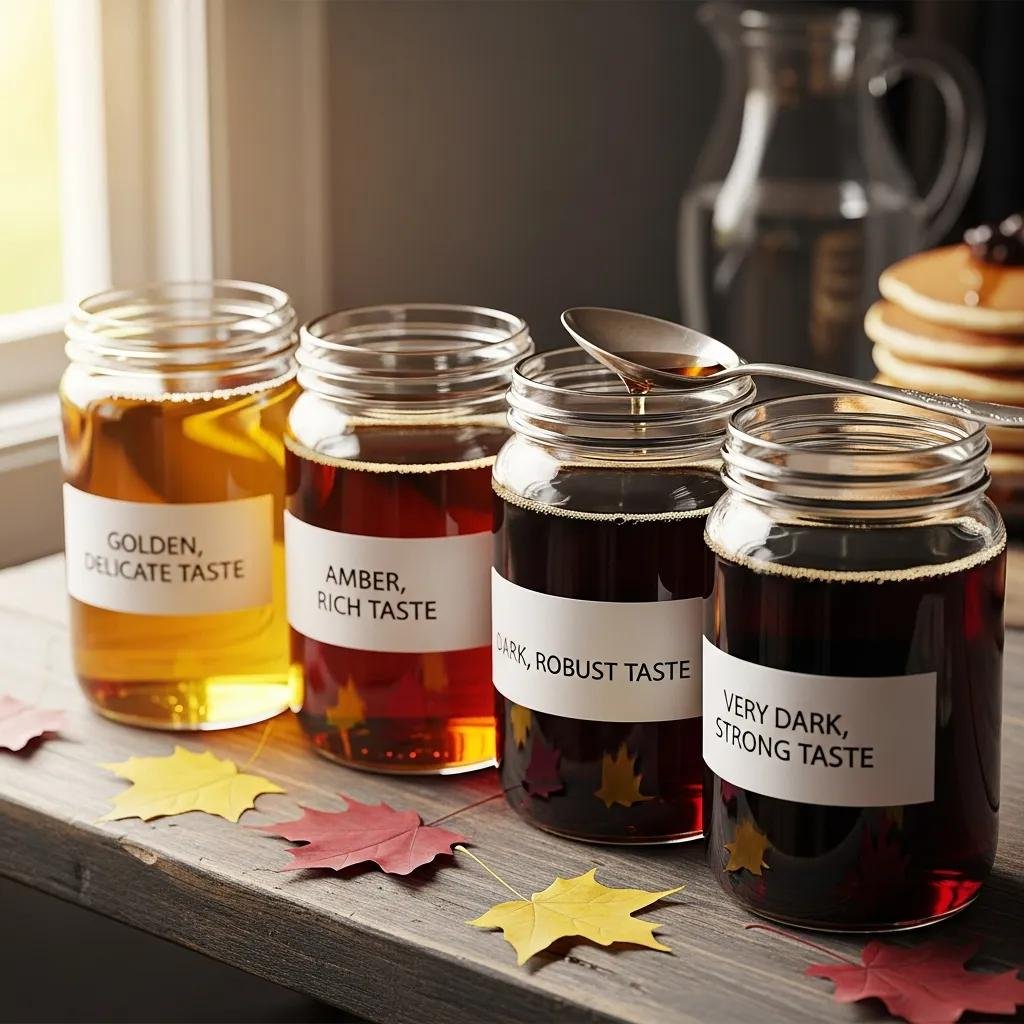
Maple syrup grades are defined mainly by color and how much light passes through the syrup—attributes that consistently align with flavor intensity and when in the season the sap was collected. Lighter syrups come from early runs and keep delicate aromatics; darker syrups come later and concentrate richer caramel and molasses notes. The four Grade A categories below give a practical framework for choosing syrups for table use, baking, or cooking, since each grade preserves different volatile compounds and textures that shape aroma and mouthfeel. These labels follow current USDA Grade A conventions used in culinary and sensory evaluation.
Maple syrup grades and a one-line flavor summary:
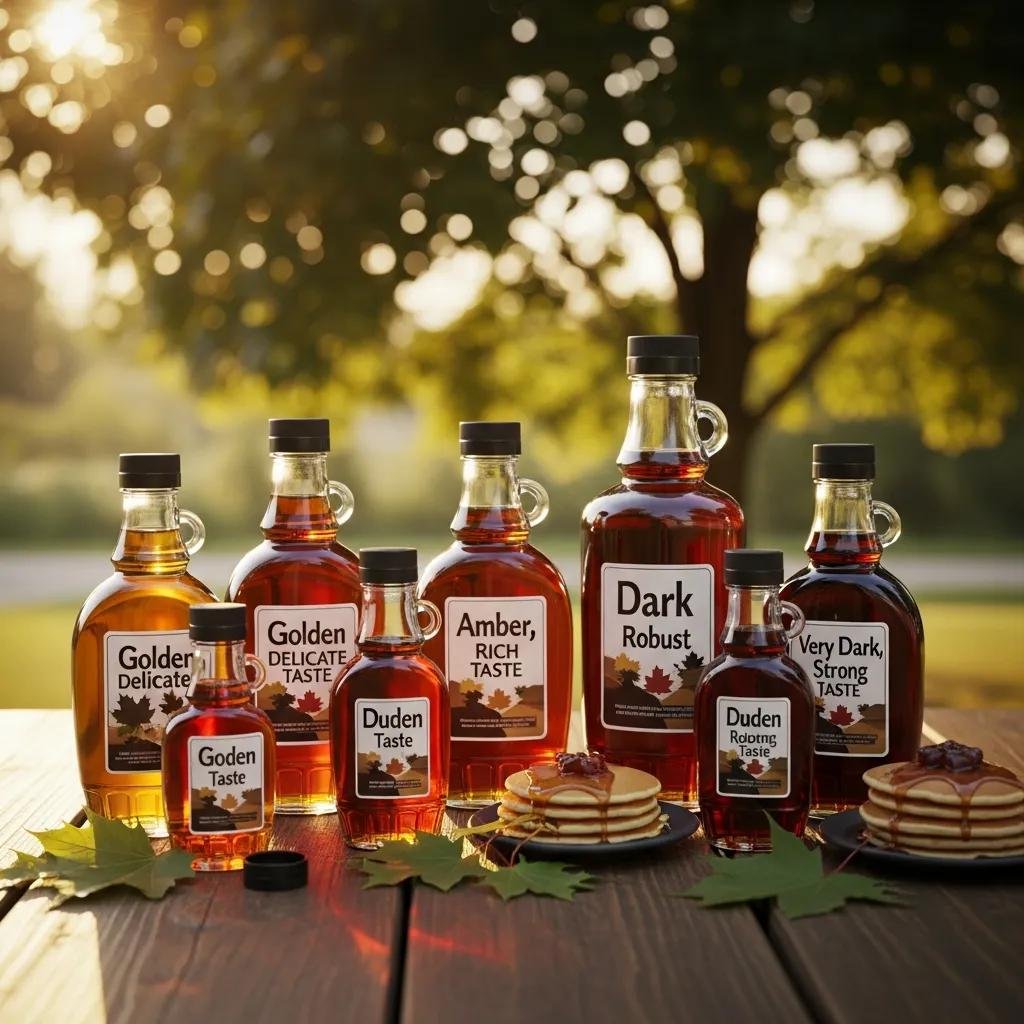
- Golden Delicate: Very light color with subtle floral and vanilla notes — best when you want restraint.
- Amber Rich: Classic maple profile with warm caramel tones and balanced sweetness for everyday use.
- Dark Robust: Stronger caramel and toasted sugar notes that add body to baking and glazes.
- Very Dark Strong: Deep, molasses-like and savory flavors suited to bold recipes and reductions.
Introductory comparison table to visualize grade differences and culinary uses.
| Grade | Color / Light Transmission | Typical Flavor Notes | Best Culinary Uses |
|---|---|---|---|
| Golden Delicate | Very light, high transparency | Floral, vanilla, subtle sweetness | Drizzling on fruit, delicate pastries |
| Amber Rich | Light amber, clear | Classic maple, caramel warmth | Pancakes, dressings, everyday table use |
| Dark Robust | Dark amber, less transparent | Toasted sugar, caramel, deeper maple | Baking, glazes, sauces |
| Very Dark Strong | Deep brown, low transparency | Molasses, roasted notes, savory depth | Reductions, marinades, bold recipes |
This table shows how color, flavor notes and culinary intent align—keep it handy when you’re choosing a syrup for a recipe or pairing.
What Defines Golden Delicate Maple Syrup and Its Taste Characteristics?
Golden Delicate is the palest Grade A syrup, made from early-season sap and prized for its clean, gentle aromatics. Early sap contains fewer Maillard-produced compounds, so the boil preserves floral and honeyed esters that read as vanilla or fresh-cut grass on the nose. The result is a light mouthfeel and a short, clean finish that highlights other ingredients instead of competing with them. Think of Golden Delicate as a refined honey substitute—perfect when you want a finishing touch that lets fruit, yogurt or delicate pastries remain the star. It’s less useful where you need the syrup to carry flavor through heavy baking.
How Does Amber Rich Maple Syrup Differ in Flavor and Uses?
Amber Rich sits in the middle of the Grade A scale and offers a warm, rounded maple character. Sap harvested slightly later in the season and modest caramelization during boiling give Amber its caramel warmth and classic maple aroma. It’s versatile—sweet but not cloying—so it’s a favorite for pancakes, coffee, vinaigrettes and light glazes. Amber stands up to gentle heat without losing its aromatics, making it a smart single-bottle choice for cooks who want one syrup that works on the table and in the kitchen.
How to Select the Best Maple Syrup Flavor for Cooking and Baking?
Match syrup intensity to the dish so the maple complements rather than competes. Heat and other ingredients change how sweetness and aroma present: lighter syrups can lose top notes under high heat, while darker syrups keep depth and add savory-sweet complexity through Maillard-type flavors. In practice, use Golden or Amber for finishing and delicate preparations, and pick Dark or Very Dark when you want richness, roasted character or a molasses-like backbone in baked goods, sauces and reductions.
Below is a practical culinary comparison table that maps dish types to recommended grades and what you can expect when the syrup is cooked or mixed.
Introductory note: This table helps cooks choose a grade by technique and desired outcome.
| Dish Type | Recommended Grade | Tasting Effect During Cooking |
|---|---|---|
| Pancakes, Toast, Yogurt | Golden Delicate or Amber Rich | Preserves bright aromatics and balances sweetness |
| Cakes, Cookies, Quick Breads | Amber Rich or Dark Robust | Adds caramel depth and helps retain moisture |
| Glazes, Sauces, Reductions | Dark Robust or Very Dark Strong | Contributes roasted, savory-sweet complexity |
| Marinades, Savory Roasts | Very Dark Strong | Provides molasses-like notes that enhance umami |
Use this comparison to pick syrups that maintain the flavor profile you want while baking or cooking.
Which syrup works best for everyday pancakes and simple breakfasts? For most mornings we reach for Amber Rich: it delivers classic maple flavor with enough warmth to be clearly maple but not so much that it overwhelms eggs or delicate fruit. Amber pours smoothly at serving temperature—warm it slightly to lengthen the pour and lift the aroma. If you prefer something more restrained, Golden Delicate highlights toppings and lets accompanying flavors shine.
What about baking and savory cooking? Dark Robust and Very Dark Strong add depth to baked goods, glazes and marinades. Dark Robust brings toasted-sugar and caramel notes that pair beautifully with spiced cakes and caramel-style fillings. Very Dark Strong gives reductions and glazes a bold, slightly bitter-sweet edge that stands up to roasted meats. When replacing sugar with maple, reduce other liquid sweeteners slightly and watch caramelization—maple’s sugar mix and acidity affect Maillard reactions and final texture.
How Does Maple Syrup Color Relate to Its Flavor and Culinary Applications?
Color is a handy proxy for flavor intensity because pigments and dissolved solids increase as the season progresses and sap chemistry changes. Darker syrups contain more reaction products that bring toasted, caramel and molasses-like notes. Later sap runs often concentrate minerals and non-sucrose sugars that produce more Maillard and caramelization chemistry when boiled—hence darker color and stronger savory-sweet flavors. For cooks, color is a quick shorthand: light means lift and restraint, dark means backbone and depth. The list below ties color to taste to help you judge a bottle at a glance.
- Golden/light: Delicate floral and vanilla notes—best for finishing and light pairings.
- Amber/light amber: Classic maple with balanced sweetness—versatile for everyday use.
- Dark/robust: Deeper caramel and toasted sugar—suited for baking and sauces.
- Very dark/strong: Intense, molasses-like and savory—ideal for reductions and robust dishes.
Color is a useful guide, but give a quick sniff and taste—terroir and processing also shape flavor beyond color alone.
What Does the Color Spectrum Indicate About Maple Syrup Taste?
The color spectrum reflects how many reaction byproducts and dissolved solids are present—compounds that shape aroma, perceived sweetness and mouthfeel. Lighter syrups retain more volatile aromatics; darker syrups show heavier toasted notes and a longer finish. Producers measure color by light transmission, and that measurement correlates with sensory shifts because different compounds absorb and scatter light as they progress through Maillard and caramelization stages. Practically, brightness implies delicate fragrances and a clean finish, while darkness signals a more complex, lingering finish and savory elements.
How to Match Maple Syrup Color with Your Preferred Flavor Intensity?
Match color to intensity by asking whether you want the syrup to highlight or to add depth. Quick guide: prefer subtlety? choose Golden. Want everyday maple warmth? choose Amber. Seeking more body? choose Dark. Need bold, savory notes? choose Very Dark. For a middle ground, blend small amounts of two grades to balance brightness and depth without changing recipe chemistry dramatically. These simple choices keep substitutions predictable and help you design pairings that work.
What Factors Influence Maple Syrup Flavor Differences?
Flavor differences come from a mix of influences: when the sap was collected, tree health and species, terroir (soil and microclimate), sap sugar content, and processing choices like filtration and boiling. Terroir sets the baseline sap chemistry; harvest timing changes the balance of sugar and trace compounds; and processing—evaporation rate and finishing temperature—builds Maillard reaction products and caramel notes that define final taste and color. Knowing these drivers helps shoppers and cooks expect variability and choose syrups that match their culinary goals.
- Season/harvest timing: Early vs. late runs shift aromatic balance.
- Terroir and soil: Local flora and minerals contribute subtle flavor cues.
- Processing and finishing: Boiling and filtration shape caramelization and clarity.
Keeping these factors in mind makes it easier to find syrups that consistently deliver the characteristics you want.
How Does Terroir Affect the Taste of Maine Maple Syrup?
Terroir influences maple syrup the way it does wine or coffee: soil, elevation, nearby plants and microclimate affect sap chemistry and the finished aromatics. In Maine, cold spring nights and specific hardwood mixes can produce sap with clean, bright aromatics or with subtle mineral notes depending on location. Single-origin labeling preserves those place-specific nuances rather than blending them away, so choosing a Maine single-origin syrup is a simple way to introduce regional character into your cooking.
In What Ways Do Sustainable Farming Practices Impact Syrup Flavor?
Sustainable practices—responsible tapping density, careful tree care and attentive forest stewardship—support long-term tree health and more consistent sap. Healthy trees yield steadier sugar levels and fewer off-notes that can come from stressed trees. Minimal-intervention processing and careful finishing temperatures also preserve volatile aromatics and clarity, giving syrups a truer expression of flavor. For buyers, sustainable sourcing often means both an ethical choice and a more transparent, reliable tasting experience.
How to Experience and Evaluate Maple Syrup Taste Differences?
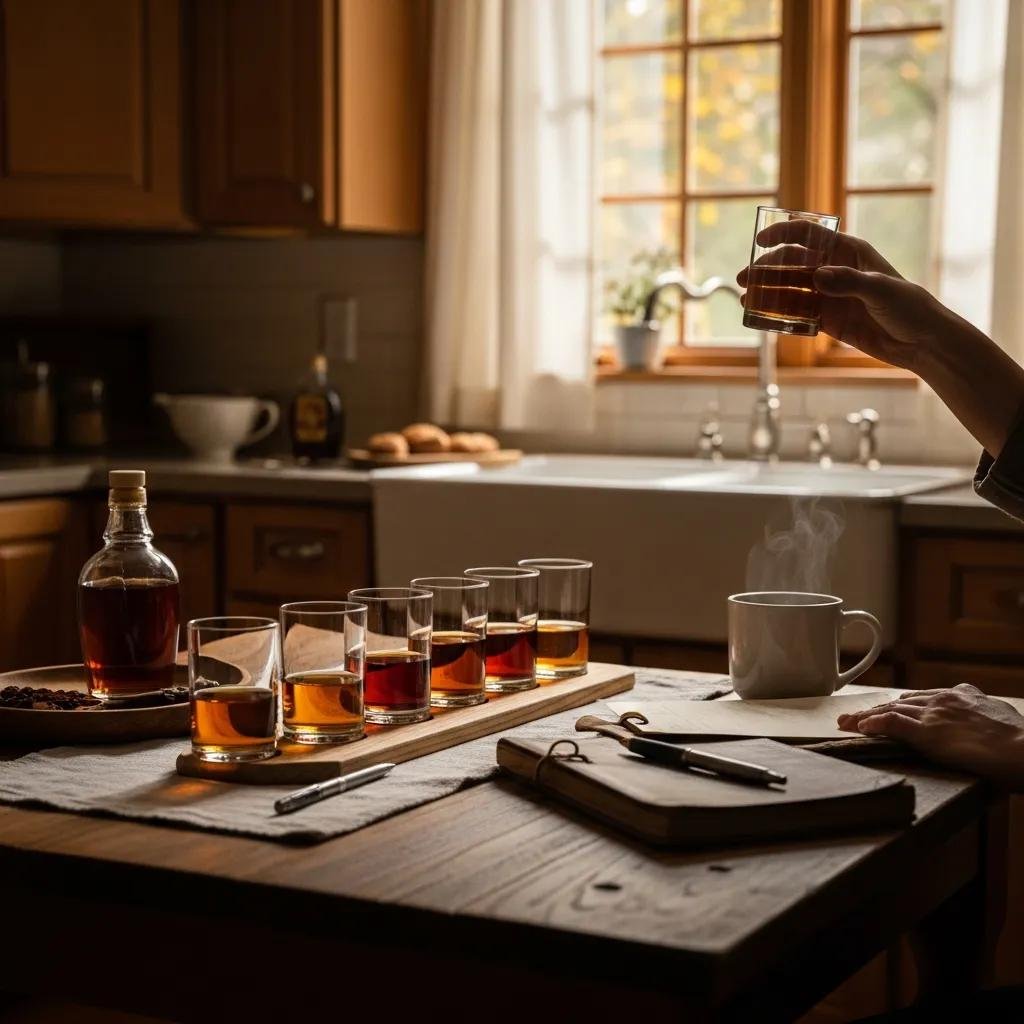
Tasting maple syrup is simple and revealing: look, smell, taste, note mouthfeel and judge the finish. Start by warming the glass slightly to release aromatics, then assess sweetness, acidity and aftertaste to decide which grade fits a recipe. Work from lightest to darkest to avoid palate fatigue and make clearer comparisons. The short how-to below is perfect for home tastings or small retail samplings.
A brief tasting protocol to try at home:
- Prepare: Use small clear glasses at room temperature and pour identical amounts for comparison.
- Look and Swirl: Observe color and viscosity; swirl to release aromatics before smelling.
- Smell: Take short, gentle inhales to detect top notes like floral, vanilla, or toasted sugar.
- Taste: Sip a small amount, hold it across the tongue, and note sweetness, body, and aftertaste.
- Record: Write concise notes on aroma, mouthfeel, and the best culinary uses you imagine.
Following this routine helps you identify the attributes that matter most for your cooking and builds a repeatable method for judging new bottles.
What Are the Key Tasting Notes to Identify in Maple Syrup?
Look for floral and vanilla-like top notes, caramel and toffee, toasted nuts, molasses or roasted sugar, and occasionally smoky or earthy elements. Subtle notes appear as initial aromatics; dominant notes stay through the palate and finish. Descriptions like “toffee-like” or “molasses backing” make the flavors actionable when you’re matching a syrup to a recipe. Also note mouthfeel—thin versus viscous—as that affects performance in dressings, batters and reductions.
How to Conduct a Maple Syrup Tasting for Flavor Selection?
Run your tasting in a consistent order: lightest to darkest to minimize carryover. Use identical glassware and modest pours to avoid palate overload. For each sample take four to six guided notes—appearance, aroma, initial taste, mid-palate texture and finish—and rate attributes simply (subtle, balanced, intense). Between samples, have plain bread, apple slices or mild cheese to reset the palate and demonstrate how each grade pairs with food. Record your preferred uses for each sample so you can match bottles to recipes later.
Try syrups from several producers to compare styles. Sampling single-origin batches from a Maine farm that practices stewardship and careful processing is a great way to hear how terroir and craft show up in aroma and clarity.
Spring Break Maple Farm’s single-origin, handcrafted syrups and honey make good tasting examples for a home flight—use them to see how family-farm terroir and sustainable practices translate into sensory differences.
Where to Buy Spring Break Maple Farm’s Maple Syrup and Explore Their Unique Flavors?
Spring Break Maple Farm is a family-owned Maine producer offering single-origin maple syrup and handcrafted honey through their Shop and Wholesale sections. You can order retail bottles for tasting and gifting or contact the Wholesale page for bulk needs. The farm focuses on authenticity, quality and sustainability—criteria that help you decide between a small retail purchase and a larger wholesale arrangement. Retail orders are ideal for tasting, gifting and home cooking; wholesale is designed for retailers, restaurants and event planners who need consistent supply.
Introductory table summarizing purchase options and intended uses:
| Product / Bottle Size | Availability | Wholesale / Minimums | Intended Use |
|---|---|---|---|
| Single-origin Maple Syrup (multiple grades) | Retail via Shop | Wholesale inquiries accepted (see Wholesale page) | Table use, cooking, gifting |
| Handcrafted Honey | Retail via Shop | Wholesale inquiries accepted (see Wholesale page) | Sweetening, pairings, retail |
| Wholesale options | Contact through Wholesale page | Minimums and pricing listed on Wholesale page | Resale, foodservice, events |
This table outlines product families and points you to the Shop or Wholesale pages for current availability and ordering details.
What Maple Syrup Products Does Spring Break Maple Farm Offer?
Spring Break Maple Farm produces pure single-origin maple syrup across the Grade A spectrum and also bottles handcrafted honey. The Shop lists their current retail assortment so you can choose by grade—Golden Delicate through Very Dark Strong—and pick the flavor that suits your needs. The farm’s single-origin focus and sustainable practices aim to deliver bottles that showcase Maine terroir and reliable quality. Check the Shop for sizes and the current selection.
How to Choose Between Retail and Wholesale Options for Maple Syrup?
Buy retail for single bottles when you want to taste, gift or cook at home—retail is the easiest way to explore flavor before committing to larger quantities. Reach out to Wholesale if you need bulk syrup for resale, restaurant service or events; wholesale discussions cover minimums, packaging and ongoing supply. Consider quantity, frequency, intended use (gifting vs resale) and whether you need branded or private-label options, then contact the Wholesale page to discuss terms. For most home cooks, starting with a retail bottle is the easiest route to discover which grade works best.
Frequently Asked Questions
What is the best way to store maple syrup to maintain its flavor?
Store maple syrup in a cool, dark place while unopened; once opened, refrigerate to keep it fresh. You can freeze syrup for long-term storage—use an airtight container to prevent freezer burn. Properly stored syrup can keep for years, but always check for off smells, cloudiness or mold before use.
Can maple syrup be used as a substitute for other sweeteners in recipes?
Yes. As a rule, use about 3/4 cup of maple syrup for every 1 cup of sugar and reduce other liquids by roughly 2 tablespoons. Remember that maple brings its own flavor, so it works best in recipes where that character complements the other ingredients—baked goods, glazes and marinades, for example.
How can I tell if my maple syrup has gone bad?
Signs of spoilage include an off or sour smell, unusual cloudiness, or visible mold. If you see mold, you can skim it off and reboil the syrup to sanitize, but if the syrup smells sour or tastes off, it’s safest to discard it. Proper storage reduces the risk of spoilage.
What are the health benefits of maple syrup compared to refined sugar?
Maple syrup contains antioxidants and trace minerals like manganese, zinc and calcium, and it has a slightly lower glycemic index than refined sugar. That said, it’s still a concentrated source of calories and sugars, so enjoy it in moderation as part of a balanced diet.
Are there any specific dishes that pair exceptionally well with maple syrup?
Maple syrup shines on pancakes and waffles, but it’s also excellent in oatmeal, yogurt, roasted fruit and dressings. Savory uses include glazes for pork or chicken and finishes for roasted vegetables—its sweet-savory depth adds complexity to many dishes.
How does the processing of maple syrup affect its flavor?
Processing plays a major role: boiling temperature and evaporation rate influence caramelization and Maillard products, while filtration affects clarity and mouthfeel. A slower boil and gentle finishing can preserve delicate aromatics; a more aggressive boil tends to deepen caramel and roasted notes.
What is the significance of single-origin maple syrup?
Single-origin syrup reflects the specific terroir where the sap was collected. Soil, local tree mix and microclimate shape subtle flavor cues that single-origin labels preserve, giving you a bottle that tastes of place. Many buyers choose single-origin to experience those regional differences and to support small-scale, sustainable farms.
Conclusion
Understanding maple syrup grades makes it easy to pick the right bottle for your cooking and baking. Learn how color, harvest timing and processing affect flavor, taste thoughtfully, and choose single-origin syrups when you want a clear sense of place. Explore our selection of handcrafted, single-origin syrups to find the flavor that fits your recipes—and enjoy discovering the range maple can add to both sweet and savory dishes.